Find Nail Practice Hand for Salon Training, Schools, and Home Use
Source 30 nail practice hand models from verified Chinese suppliers. Compare specifications like ABS plastic or silicone materials, replaceable hands, and custom packaging options for manicure training needs.
Key considerations
Products List
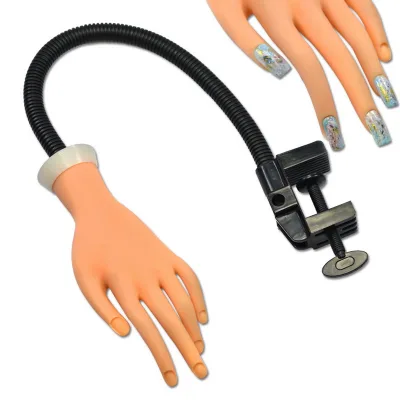


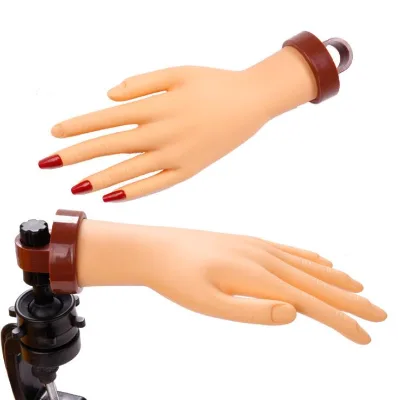
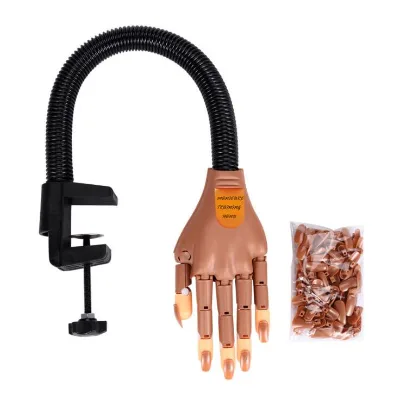
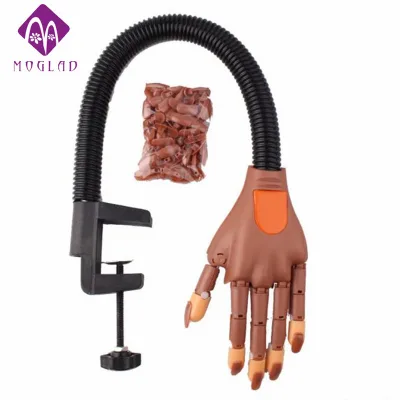
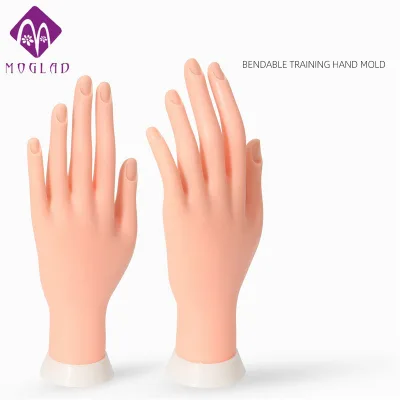
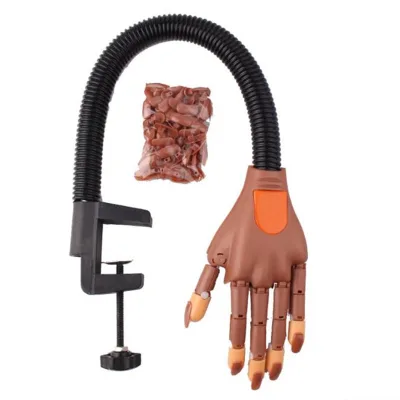
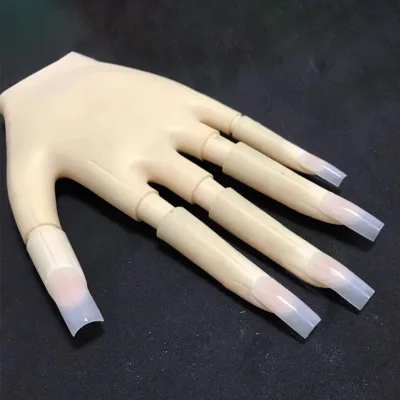
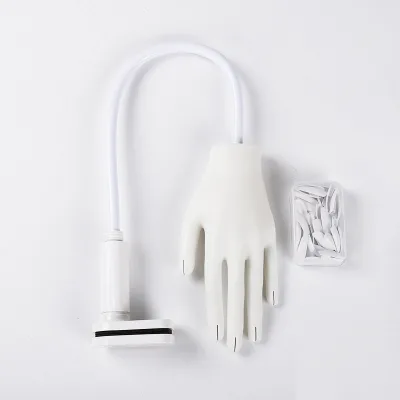


Comprehensive Sourcing Guide
Strategic Sourcing Guide for Nail Practice Hand Equipment
Understanding the Product Category and Core Specifications
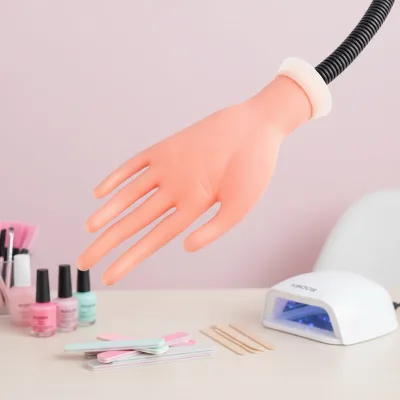
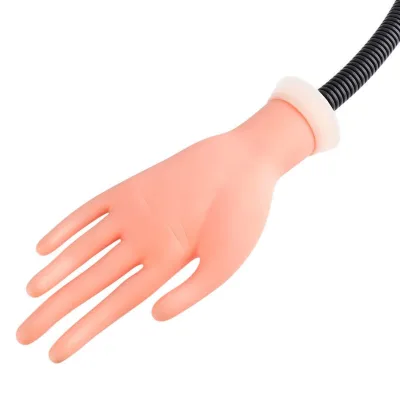
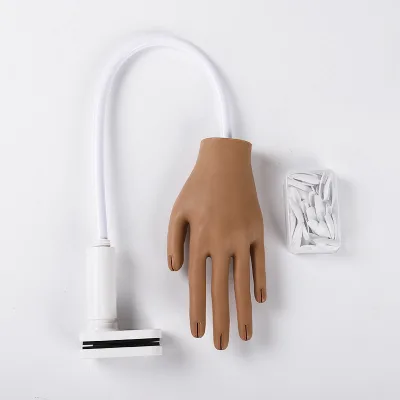
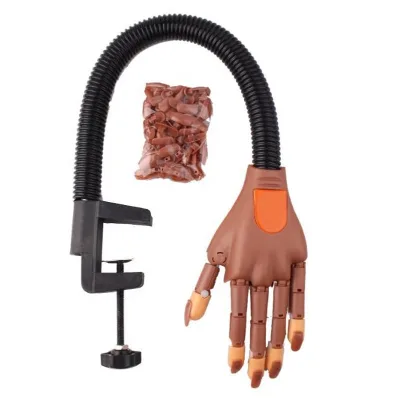
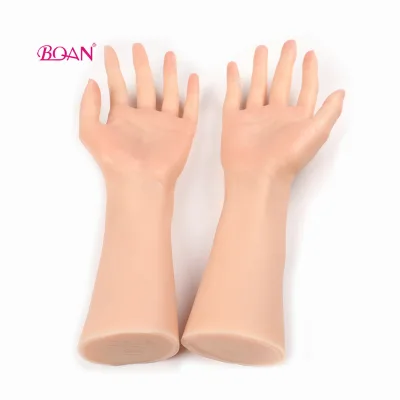
The nail practice hand, often referred to as a nail art trainer hand or manicure practice model, serves as a critical tool for both educational institutions and professional beauty salons. These devices are designed to simulate human fingers, providing a stable, reusable surface for trainees to practice nail art techniques, acrylic application, gel curing, and nail extension procedures. Unlike live models, these artificial hands offer the distinct advantage of being available for unlimited practice sessions without the need for scheduling or client consent.
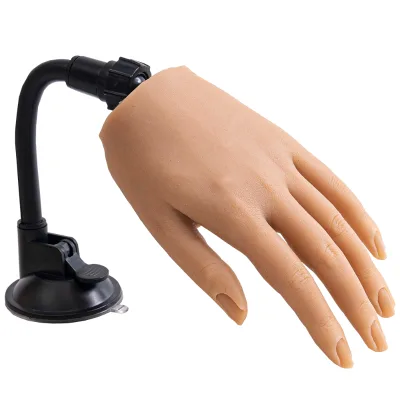
Based on current market data, the construction of these units typically involves a composite of materials to ensure durability and realistic texture. The primary structural components are often made from ABS plastic, which provides a rigid yet lightweight frame. The surface of the fingers is frequently coated with silicone to mimic the softness and flexibility of human skin, while internal reinforcement often utilizes stainless steel to maintain structural integrity during repeated filing and drilling. This combination of silicone, plastic, and stainless steel is standard for high-quality units intended for heavy-duty salon use.
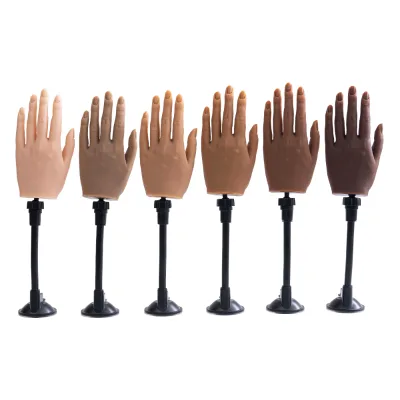
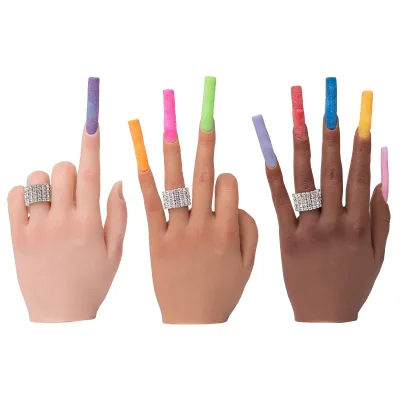
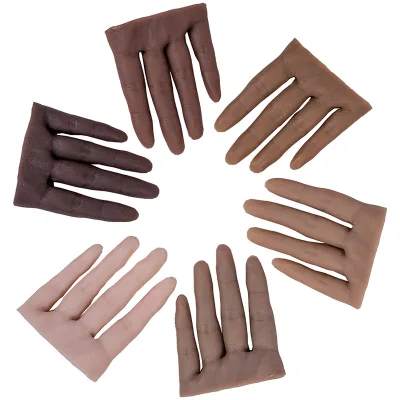
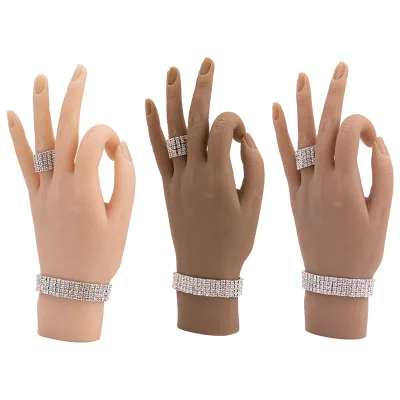
The physical dimensions of these products vary significantly depending on the intended scale and realism. Observed specifications indicate that standard models may measure approximately 35 cm by 16.5 cm by 5 cm, while larger, more detailed units can reach dimensions of 52 cm by 22 cm by 7 cm. Buyers must verify the specific dimensions required for their training curriculum, as larger models may offer more realistic finger spacing but require more storage space. The color options generally include standard skin tones such as brown or white, with many manufacturers offering customization to match specific demographic requirements or branding needs.
Technical Compliance and Certification Verification
In the B2B procurement of beauty training equipment, verifying compliance with international safety and environmental standards is paramount. These products are often exported globally, necessitating adherence to specific regulatory frameworks. The most frequently observed certifications for nail practice hands include MSDS (Material Safety Data Sheets) and CE marking. The MSDS documentation is essential for confirming the chemical composition of the materials used, particularly the silicone and plastic components, ensuring they do not release harmful volatile organic compounds (VOCs) during normal use or under heat from UV lamps.
The CE certification indicates conformity with health, safety, and environmental protection standards for products sold within the European Economic Area. Additionally, some suppliers provide RoHS (Restriction of Hazardous Substances) compliance, which ensures that the product does not contain specific hazardous materials like lead, mercury, or cadmium. While these certifications are commonly listed in product descriptions, buyers should not assume that every unit in a bulk order automatically possesses them. It is imperative to request current test reports and certification documents directly from the supplier before finalizing a purchase.
Furthermore, the electrical components, if any are integrated into the hand for features like heating or lighting, must meet specific voltage and frequency standards for the destination market. Although many practice hands are purely mechanical, any electronic integration requires rigorous safety testing. Buyers should also verify that the packaging materials comply with international shipping standards to prevent damage during transit, as the silicone components can be susceptible to deformation if not properly cushioned.
Cost Drivers and Pricing Structure Analysis
The pricing of nail practice hands is influenced by a complex interplay of factors, including material quality, customization levels, and order volume. The observed price range in the current market spans from approximately 2 USD to 65 USD per unit. This wide variance reflects the difference between basic, entry-level models and premium, highly detailed units with advanced features.
The primary cost driver is the material composition. Units constructed with high-grade silicone and reinforced with stainless steel cores command a higher price point due to the increased durability and realistic tactile feedback they provide. In contrast, models relying solely on plastic or lower-grade silicone may fall into the lower end of the price spectrum but may degrade faster under the stress of frequent filing and drilling.
Customization is another significant factor affecting cost. While many suppliers offer a base model with standard colors like brown or white, requests for custom colors, logos, or specific packaging designs incur additional fees. The "OEM" (Original Equipment Manufacturer) nature of many suppliers allows for branding, but this service adds to the unit cost. Additionally, the complexity of the mold used to create the hand affects the price; highly detailed hands with realistic knuckles and nail beds require more expensive tooling.
Order volume also plays a crucial role in the final price. The typical Minimum Order Quantity (MOQ) ranges from 3 to 100 units. Buyers purchasing at the lower end of the MOQ spectrum may face higher per-unit costs, while those ordering in bulk, such as the 30,000 pieces per month supply capacity observed in the market, can negotiate more favorable pricing tiers. Shipping costs, which vary based on the weight and volume of the carton (often 20 to 30 pieces per master carton), must also be factored into the total landed cost.
Typical Applications and Operational Use Cases
Nail practice hands are versatile tools deployed across various sectors of the beauty and education industries. The primary application is in professional manicure and pedicure salons, where they serve as a training aid for new employees. By using these hands, salon managers can ensure that staff members master techniques such as cuticle care, acrylic sculpting, and nail art design before working on actual clients. This reduces the risk of damaging client nails and improves overall service quality.
Educational institutions, including beauty schools and vocational training centers, rely heavily on these products for curriculum delivery. The hands provide a consistent and repeatable practice surface for students to perfect their motor skills. Unlike live models, which may have varying skin types and nail conditions, practice hands offer a uniform substrate that allows instructors to standardize training outcomes. The "Nail Art Beginners and Salon Artists" target audience highlighted in product specifications confirms their dual utility for both novice learners and experienced professionals seeking to refine specific techniques.
Beyond salons and schools, these units are increasingly used in commercial settings for product demonstrations. Manufacturers of nail polish, gels, and tools often utilize practice hands in trade shows and marketing campaigns to showcase the durability and finish of their products. The ability to demonstrate a full manicure process on a static, reusable hand is more efficient than coordinating live models. Furthermore, the "Commercial, Home" usage category indicates that some models are designed for individual enthusiasts who wish to practice at home without the cost and commitment of hiring a model.
Supplier Evaluation and Sourcing Criteria
When evaluating potential suppliers for nail practice hands, buyers must look beyond the product description to assess the supplier's overall capability and reliability. The supply chain for these items is heavily concentrated in Guangdong, China, a region known for its manufacturing prowess in plastic and silicone goods. Key suppliers often list their port of dispatch as Guangzhou, Shenzhen, or Hong Kong, which are major logistics hubs facilitating efficient export.
A critical aspect of supplier evaluation is the verification of their production capacity. The market data indicates a supply ability of up to 30,000 pieces per month, suggesting that established manufacturers can handle large-scale orders. However, buyers should confirm that this capacity is consistent and not merely a theoretical maximum. Lead times are another vital metric; while some suppliers advertise "Fast delivery," the actual time required can vary based on order size and customization requirements. Buyers should request a confirmed production schedule before placing an order.
Quality control processes are equally important. Reputable suppliers should have a documented process for inspecting the silicone coating for defects, checking the structural integrity of the stainless steel reinforcement, and ensuring the ABS plastic frame is free from cracks or warping. The "Replaceable Nail Art Trainer Hand" feature mentioned in some specifications suggests that high-end suppliers offer modular designs where worn parts can be replaced, extending the product's lifecycle. Buyers should inquire about the availability of replacement parts and the cost associated with them.
Packaging is another area where supplier quality can be assessed. Standard packaging often involves individual box packaging with a master carton containing 20 to 30 pieces. However, custom packaging options are widely available. Buyers should evaluate the supplier's ability to provide protective packaging that prevents damage during shipping, especially for the delicate silicone components. The "Unit packaging: box packaging, custom packaging optional" detail highlights the flexibility offered by suppliers, but the quality of the custom packaging should be verified through samples.
Quality Control and Long-Term Procurement Considerations
Implementing a robust quality control (QC) strategy is essential for ensuring that the nail practice hands meet the required standards. Given the tactile nature of the product, visual inspection alone is insufficient. Buyers should consider implementing a sampling plan that includes physical stress testing. This involves simulating the actions of filing, drilling, and applying heavy acrylics to ensure the hand does not crack, deform, or lose its shape over time. The "Re-usable" attribute is a key selling point, but its validity depends on the durability of the materials used.
For long-term procurement, buyers should consider the total cost of ownership rather than just the initial purchase price. While a cheaper unit may seem attractive, if it requires frequent replacement due to wear and tear, the long-term cost will be higher. Investing in higher-quality units with stainless steel reinforcement and high-grade silicone can reduce replacement frequency and improve the training experience. Additionally, the "Customized" and "Logo" options allow businesses to brand the equipment, which can enhance their professional image and provide a competitive advantage.
Sustainability is also becoming a relevant consideration in procurement. Buyers should inquire about the recyclability of the materials used, particularly the ABS plastic and silicone. Ensuring that the product complies with environmental standards like RoHS not only meets regulatory requirements but also aligns with corporate social responsibility goals. The "Packaging Details" indicating "custom packaging optional" also offer an opportunity to reduce waste by using eco-friendly materials.
Finally, maintaining a strong relationship with the supplier is crucial for long-term success. Suppliers who offer "Fast delivery" and have a high supply ability are better positioned to handle urgent restocking needs. Buyers should establish clear communication channels for addressing any quality issues that arise post-delivery. The ability to negotiate terms for future orders, such as volume discounts or extended warranties, can further optimize the procurement strategy. By focusing on these long-term considerations, buyers can ensure a steady supply of high-quality nail practice hands that support their operational goals.
Comparative Analysis of Product Variants
To assist buyers in making informed decisions, the following table summarizes the key differences between common product variants found in the market. This comparison highlights variations in specifications, packaging, and intended use cases.
| Feature | Variant A (Standard) | Variant B (Premium) | Variant C (Educational) |
|---|---|---|---|
| Model Number | NH016 | HY-JXS-B-1 | Practice Nail Hand |
| Primary Material | ABS Plastic | Silicone + Plastic + Steel | Plastic + Stainless Steel |
| Dimensions | 35 x 16.5 x 5 cm | 52 x 22 x 7 cm | 36 x 23 x 6 cm |
| Color Options | Brown or Customize | Purple/Brown | White or Customize |
| Packaging | 20 PCS/Carton | 12 PCS/Carton | 30 PCS/Carton |
| Certification | MSDS, CE | CE & RoHS | Standard Compliance |
| Target Use | Salon & Beginners | Commercial & Home | School & Training |
| Special Feature | Replaceable Hand | High Durability | Standard Training |
This comparison underscores the importance of aligning product selection with specific operational needs. Variant A offers a balanced approach for general salon use, while Variant B provides enhanced durability for high-volume commercial environments. Variant C is tailored for educational settings where cost-effectiveness and standard training requirements are prioritized. Buyers should carefully review these specifications against their specific requirements to ensure the selected product delivers optimal value and performance.
FAQs
What materials are used to construct the nail practice hand?
The nail practice hand is constructed from ABS plastic, silicone, and stainless steel. This composite design ensures a rigid frame while providing a realistic skin-like texture and internal reinforcement for durability during repeated filing and drilling.
Can I customize the color and logo on the product?
Yes, customization is available for both color and logo. Buyers can choose standard options like brown or white, or request specific custom colors and branding, as the product supports OEM services and optional custom packaging.
What certifications does the nail practice hand hold?
The product holds MSDS, CE, and RoHS certifications. These documents verify that the materials comply with safety standards and do not contain hazardous substances, ensuring the product is safe for use in salons and educational settings.
How fast can suppliers deliver the nail practice hand?
Fast delivery is available for this product. While specific lead times vary by order size, suppliers indicate a supply ability of 30,000 pieces per month, allowing for relatively quick turnaround on bulk orders from Guangdong, China.
What is the minimum order quantity for this item?
The minimum order quantity ranges from 3 to 100 units depending on the supplier. Buyers can purchase single items or larger quantities, with packaging typically consisting of 20 to 30 pieces per master carton for efficient shipping.
Where are the nail practice hands manufactured and shipped from?
These items are manufactured in Guangdong, China, and dispatched from ports like Guangzhou, Shenzhen, or Hong Kong. The origin is confirmed as China, with specific locations often listed as Guangzhou for certain models.
Are the nail practice hands reusable for training purposes?
Yes, the nail practice hands are designed to be reusable. They serve as a stable, replaceable trainer for nail art beginners and salon artists, allowing for unlimited practice sessions without the need for scheduling a live model.